
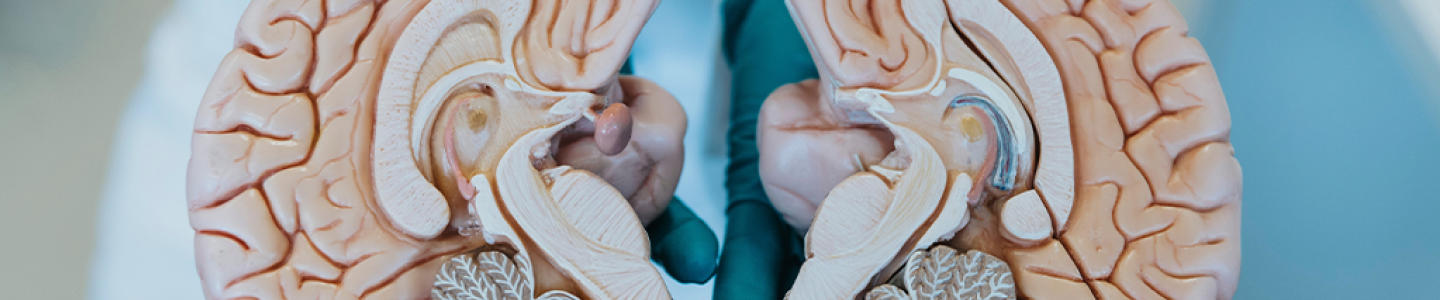
The Science Behind
Achieving neural performance requires an initial tuning of the entire brain.
Our neural training protocols are tailored and adjusted for each individual based on their needs and goals: workplace performance, difficult exam preparation, quick decision-making, reducing symptoms of ADHD, anxiety, depression, insomnia, or simply improving academic, professional, or athletic performance.
Step 1
Increase Brain Coherence. This can offer a first boost in performance, you will improve your sleep, you can get energized, reduce stress and anxiety levels, and you have natural control over impulsivity.
Step 2
Once the foundation for sustained effort is established, we can focus on achieving pure performance, which requires a different level of understanding of the entire neural phenomenon.
How do we do this?
A. Brain Mapping Evaluation
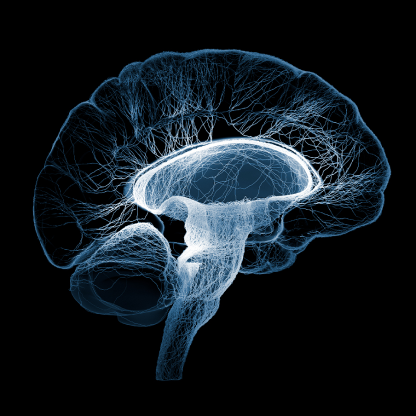
Mapping your brain’s areas can provide valuable insights. Using advanced QEEG technology, we analyze the brain’s electrical activity and generate detailed maps of brain waves, neural networks, and functional connectivity.
Based on this map, we develop your personalized training and neurofeedback protocols following the dysfunctions or desynchronizations areas, taking into consideration the unique signature of your brain’s working system to address neurological imbalances and to promote maximum brain functioning coherence and efficiency.
B. qEEG Neurofeedback
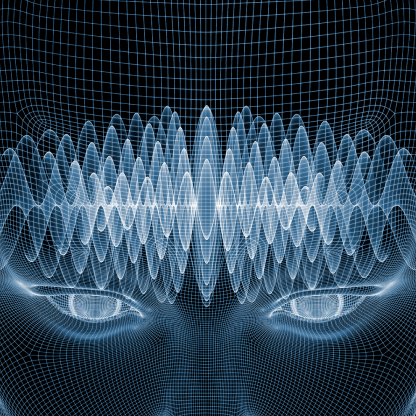
At Neuralyst, you will benefit from non-invasive therapeutic training that utilizes the brain’s ability to learn, relearn, and adapt. We use state-of-the-art equipment and software, we measure electrical signals, monitor brain wave activity in real time, and provide instant visual and auditory feedback to the brain.
Our team, with years of practical experience with this technology, will guide you through the neurofeedback process to ensure a safe and effective experience. Throughout the program, you will see improvements in your attention span and focus, better rest, the radical improvement of your brain’s ability to rest, the ability to relax and to have a healthy emotional regulation.
C. HEG Technology – Hemoencephalography
Do you struggle with planning, organization, maintaining focus, or difficulties in controlling your impulses, or other executive functions?
HEG technology is here to help! Unlike EEG, HEG doesn’t measure electric impulses, it measures blood perfusion or oxygen levels in the blood. Through HEG training, the brain enhances its ability to produce and sustain more energy in the control center, which should be the most active part of the brain.
Thus, we increase activity in the prefrontal cortex, the executive area of the brain behind the forehead. We can think about the prefrontal as being the heart and lungs of the brain, a vital area that receives information from senses, emotions, and memory and analyzes their meaning in real-time as well as the optimal answers, it plays a central role in motivation and personality formation.
Performance enhancement
Traumatic brain injuries
Stress reduction
Anxiety and depression

D. Complementary use of innovative iSyncWave technology
Apart from traditional neurofeedback practice, where we can stimulate neural plasticity and realize holistic training of new neural pathways, with the new iSyncWave technology we are able to obtain a Brain Mapping in just 10 minutes, later summarized by AI in a 30 page color detailed report. Additionally, the device simultaneously measures HRV (heart rate variability) thus providing an integrated assesment of stress and mental health. Being the world’s first integrated qEEG-LED therapy solution, we are able to personalize in the finest details our neural training protocol, as well as constant monitoring of training progress.
The localized nIR stimulation technology enables precisely activation through photobiomodulation of each specific brain area, during an 100% non-invasive, AI assisted neural training. This way, we can support both brain performance enhancement and assist clients with insomnia, depression, addictions, stress, burnout, obsessive-compulsive disorder, attention deficit, ADHD, autism, stroke recovery, cognitive decline, dementia, Alzheimer’s, tinnitus and anxiety.
E. What Are Inversions?
Inversions are abnormal brain wave patterns characterized by deviations from typical neural function. These deviations can appear as asymmetric or irregular patterns in brain wave frequencies and neural networks. Consequences of these inversions include:

Difficulty planning, organizing, making decisions, and controlling impulses, which impacts daily functioning and goal achievement.

Learning difficulties, information processing challenges, and trouble retaining new knowledge, significantly affecting cognitive development.

Emotional dysregulation: triggering and maintaining anxiety, depression, and sudden mood swings.

ADHD symptoms (attention deficit and hyper activity) such as impulsivity, distractibility, and difficulty maintaining attention.

How do we address inversions at Neuralyst?
Once detected during brain mapping sessions, inversions present an opportunity for clearly targeted interventions and optimization of neural patterns. Based on clinical experience, our personalized neural training protocol is personalized to promote increased inter-hemispheric coherence in each brain function area.